
Home » Drill Solutions » Diamond exploration Drilling Tools » Coring Bits: Tips for Rapidly Drilling Hard Diamonds
Coring Bits: Tips for Rapidly Drilling Hard Diamonds
Construction workers frequently run into difficulties when drilling through different kinds of rock, especially when handling more difficult materials like diamond. So, how can you rapidly core through such hard rock?
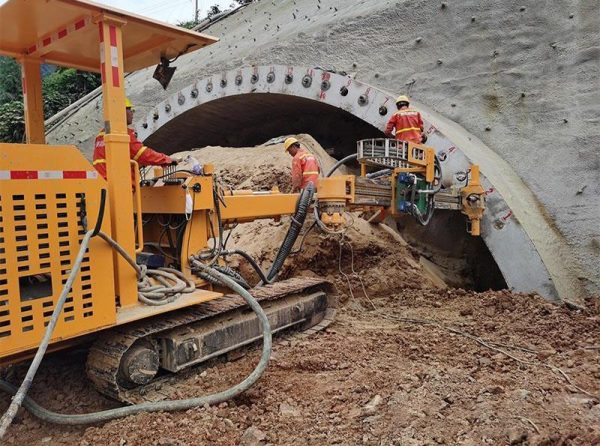
1. Before drilling preparations:
- Evaluate the degree of weathering of the bedrock and the hardness of the rock layer:
Knowing the hardness of the rock and degree of erosion of the bedrock is critical before drilling. This helps to find the most efficient drilling method.
- Try traditional drilling:
Conventional drilling techniques can sometimes be useless or unable to pierce the rock.
- Assess the Integrity of the Bedrock:
Make sure the bedrock is whole and free from major fractures. Equipment able to deal with such hard rock is imperative if the bedrock has little or no cracks.
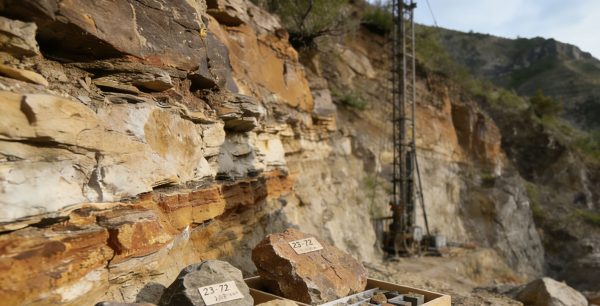
2. Choosing the Right KSQ Drill Bit:
- Employ premium diamond Coring Bits:
Drilling through tough materials including diamonds, concrete, and stone demands diamond Coring Bits. Make sure to maximize efficiency by using diamond bits developed especially for tough rocks or minerals.
- Decide on the appropriate diamond grit size:
Cutting action gets smoother the finer the diamond grit. But bigger diamond grits break down the material quickly for tough diamonds, so increasing drilling efficiency.
- Improve Drill Machine Settings:
Make certain the drilling equipment is suited for the task and that adequate pressure is utilized. Too little pressure could cause early deterioration of the Coring Bits; too much pressure could stress the machinery and shorten the bit’s lifespan.
3. Upward drilling velocity:
Diamonds Coring Bits make a core hole and then remove the core whole by cutting through the rock. Changing the drill’s linear contact to rotational ring contact lowers the contact area between the rock and the drilling tool. This lowers the general force needed to grind and break up the rock by helping to reduce the resistance during rotation. Normal circumstances call for no need to swap the drilling tools, therefore allowing for quicker drilling speeds.Drilling speeds can range from 25 to 40 meters per day depending on the hardness of the rock.
Contact KSQ Drill for professional suggestions for more tailored solutions.